
Garage Door Repair Nashville, TN | Free Quote in Minutes, No Surprises
Search "garage door repair Nashville" and you'll get a wall of nearly identical listings, all claiming the same things. Here's the one you can actually verify: Murfreesboro Garage Door Pro gives you a written price after a real inspection, and that price is exactly what shows up on your invoice. Springs, openers, off-track doors, full installations, one call covers it. Call (615) 706-3471 now for a free quote and same-day scheduling.
Service area: Nashville, TN, covering all of Davidson County.
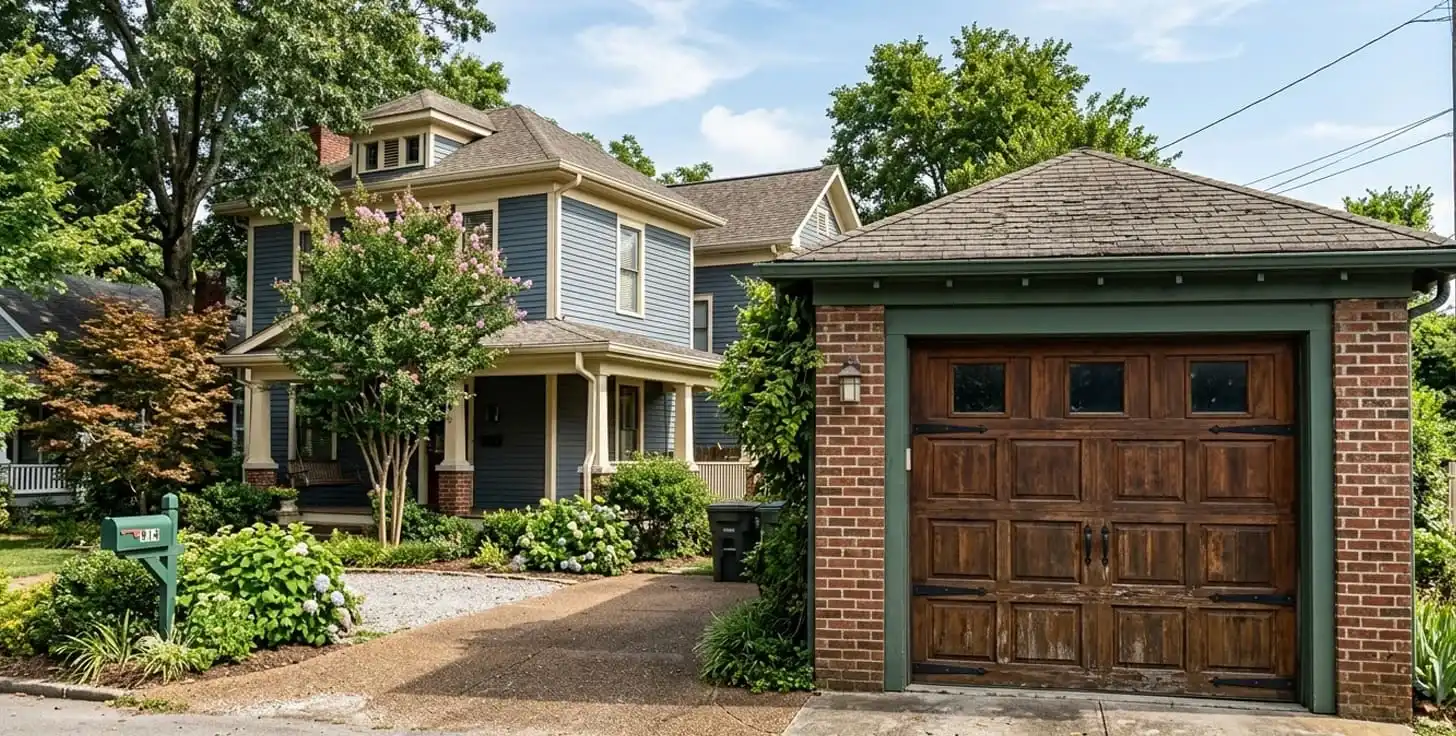
Get a Free, Honest Quote Before You Commit to Anyone
You don't need to take a risk on a company you found five minutes ago. Call, describe the problem, and we'll get you scheduled, most repairs the same day. You'll get a written price on-site before we touch your door, so you're deciding with real numbers, not a guess over the phone. Call (615) 706-3471 or request your free quote online now.
Call (615) 706-3471 for Your Free Quote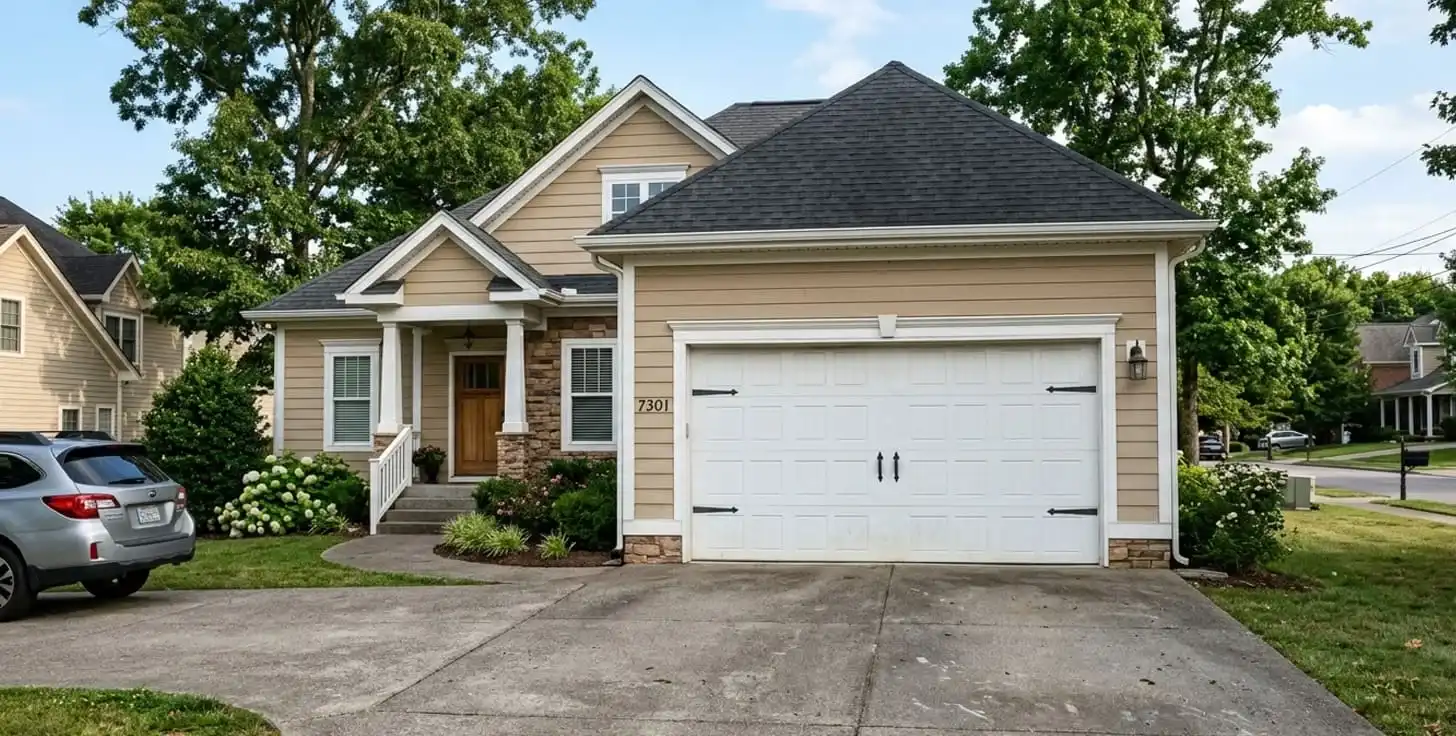
Why Call Us First for Garage Door Repair in Nashville
A written price before we start. Same-day appointments for most repairs. Licensed and insured technicians on every job. A workmanship warranty that actually means something. In a market with as many options as Nashville has, that's the shortlist of things worth checking before you book anyone, and we meet all four. Call (615) 706-3471 to schedule your repair today.
Call (615) 706-3471 to Schedule Your RepairGarage Door Services We Provide in Nashville
 From $900
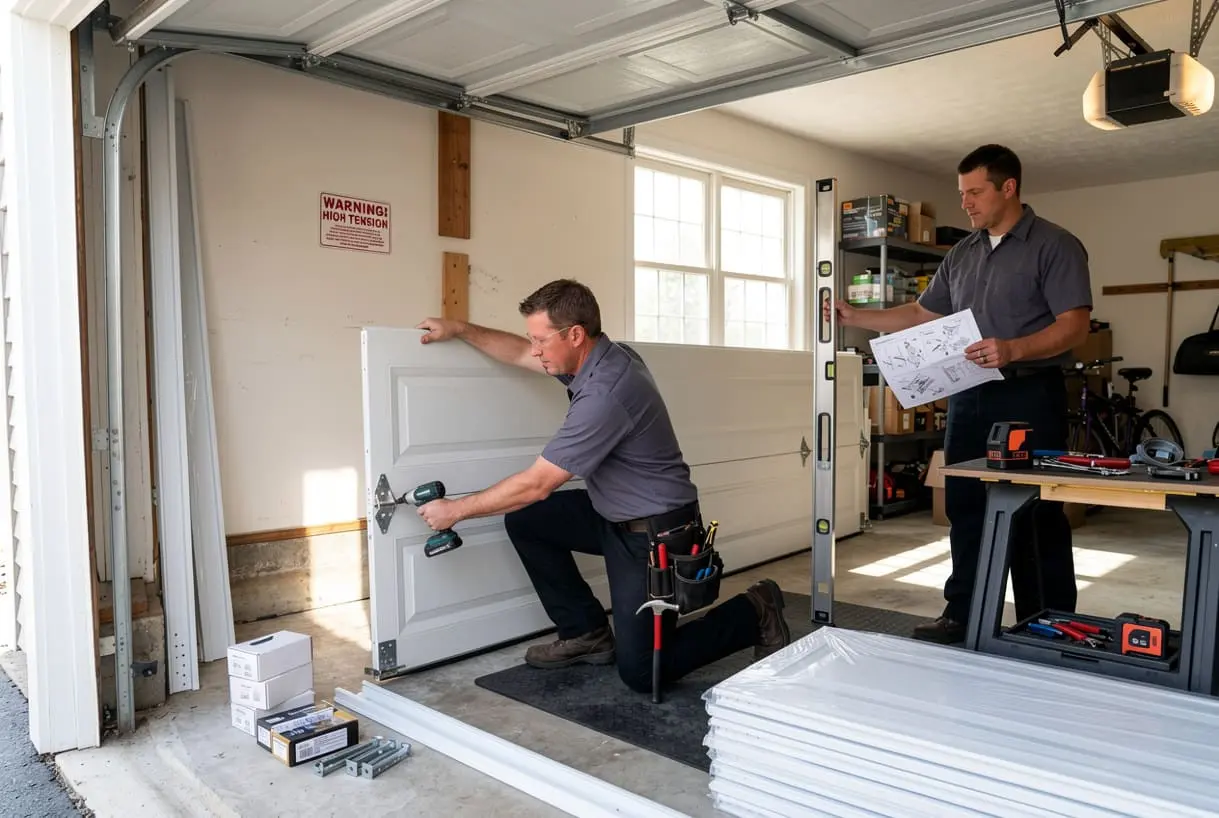
Garage Door Installation
New doors in steel, wood, aluminum, and insulated composite materials, quoted in full before installation day, priced from $900. Book your free consultation and get a real number, not a "starting at" range.
 From $100
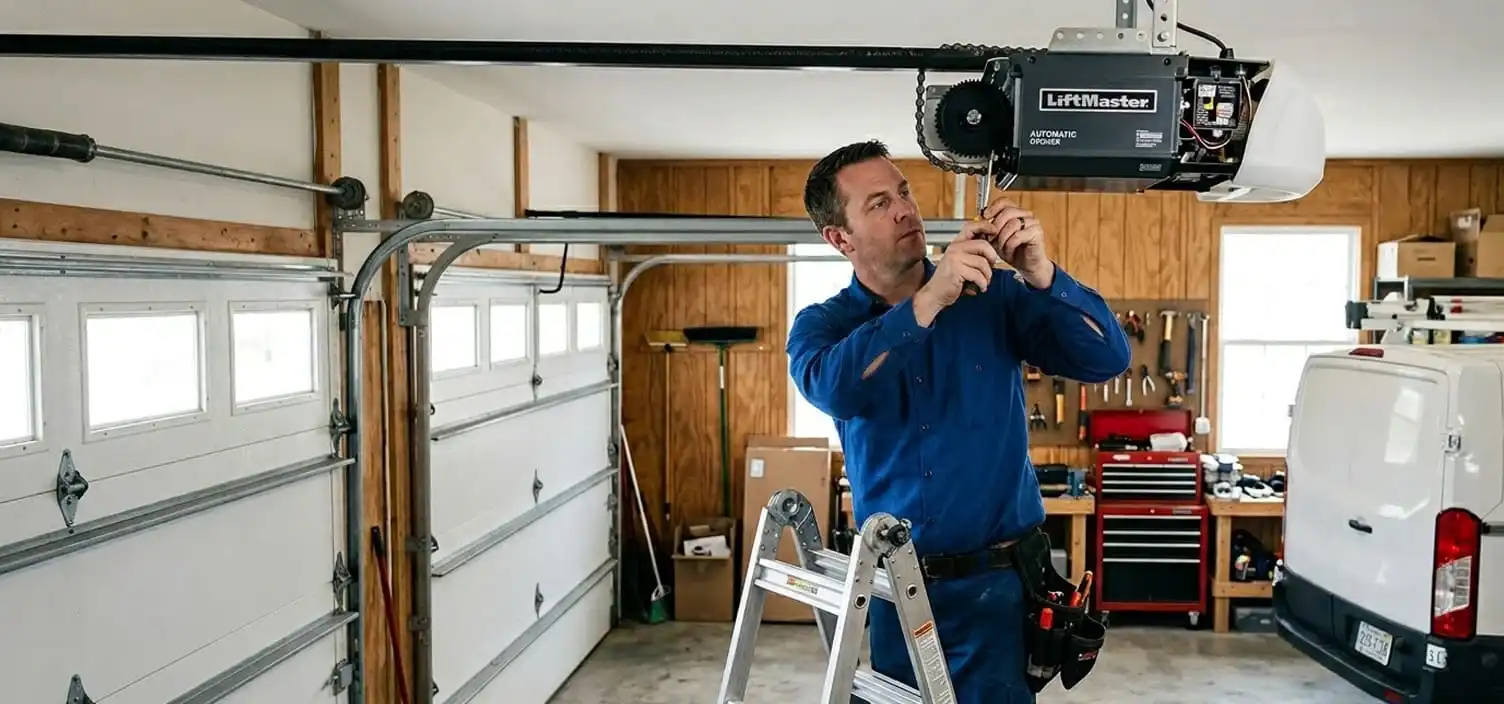
Garage Door Opener Repair
Motor, gears, sensors, and remote, diagnosed individually, not blamed on "the motor" by default. Most repairs finished the same visit, starting at $100.
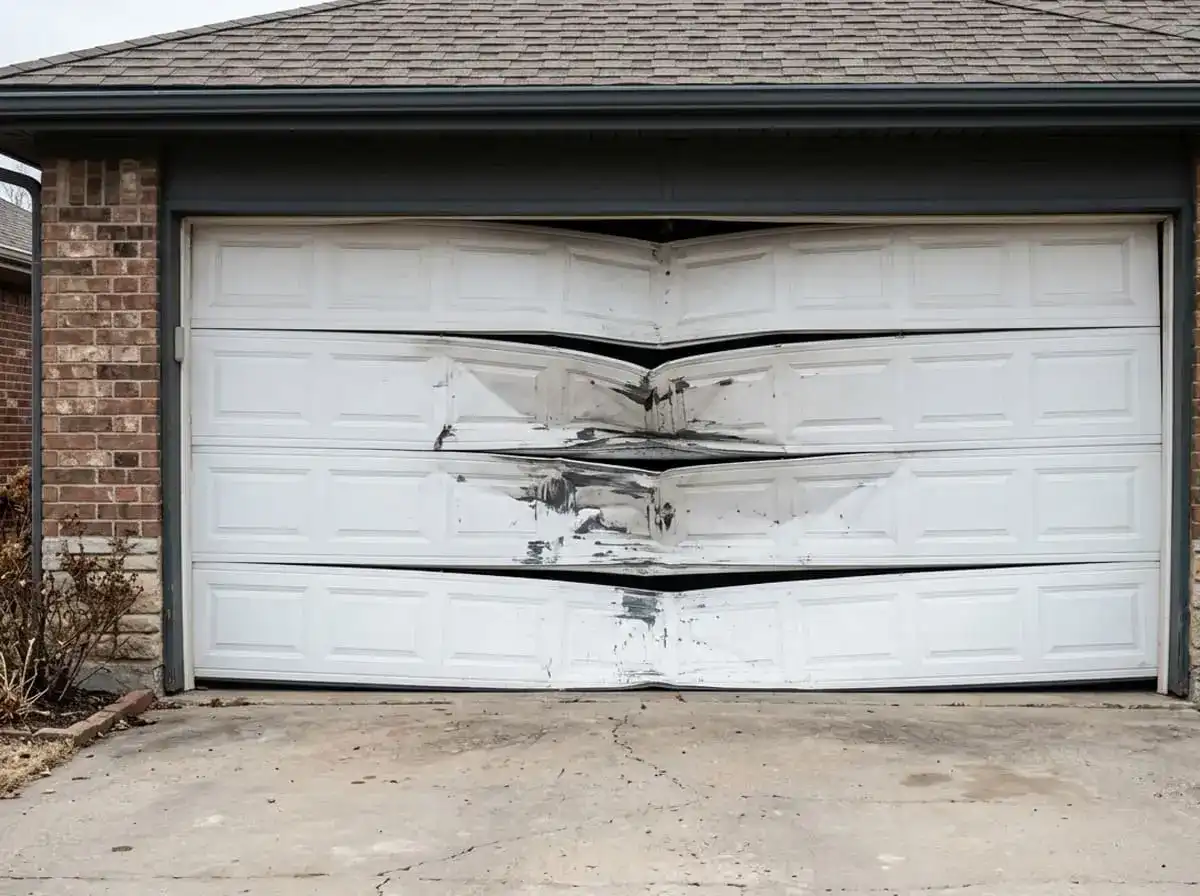 Free Evaluation
Garage Door Replacement
Repair cost and replacement cost, shown side by side, in writing, so you pick based on your door's real condition. Call now for a free evaluation.
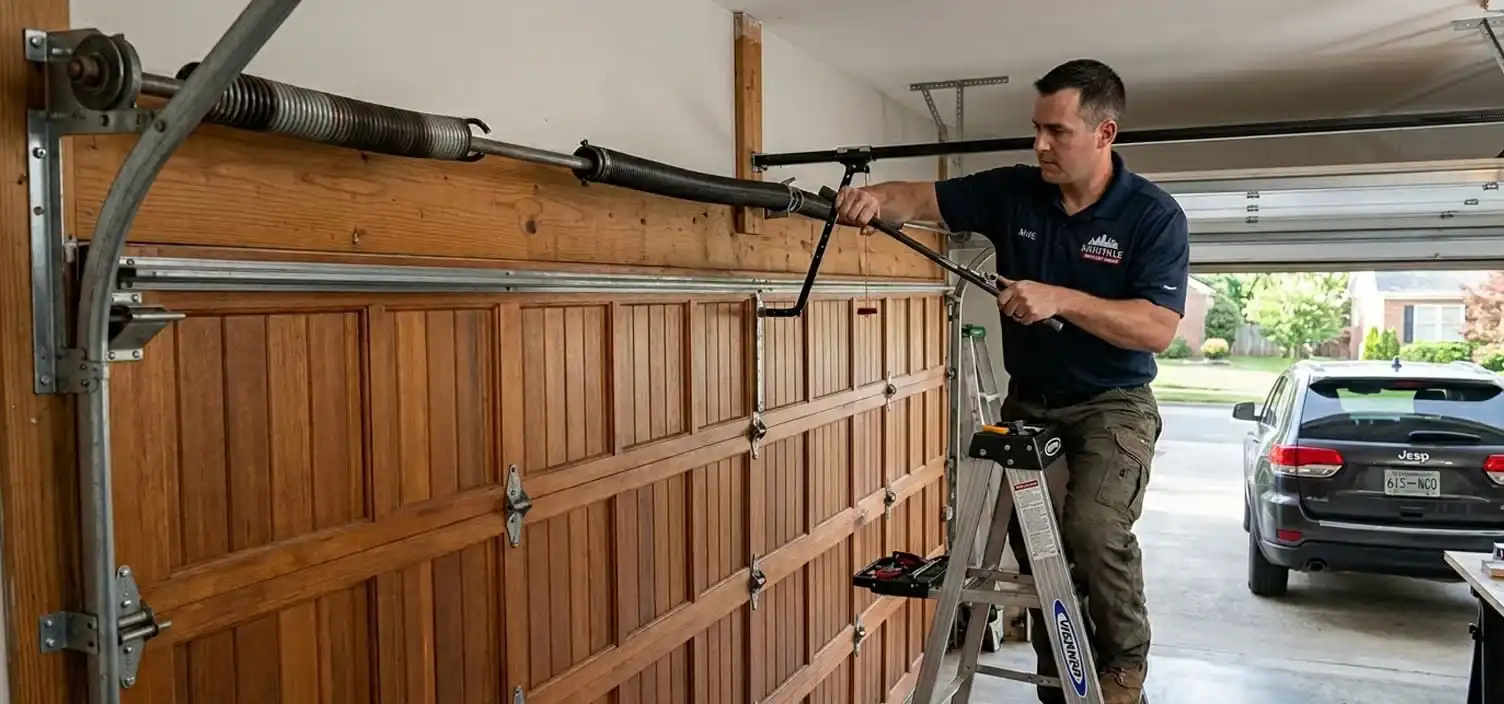 From $150
Broken Spring Replacement
Torsion and extension springs hold serious tension and are the top reason a door won't lift. We install properly sized, high-cycle springs and rebalance the full system, starting at $150. Call now for same-day scheduling.
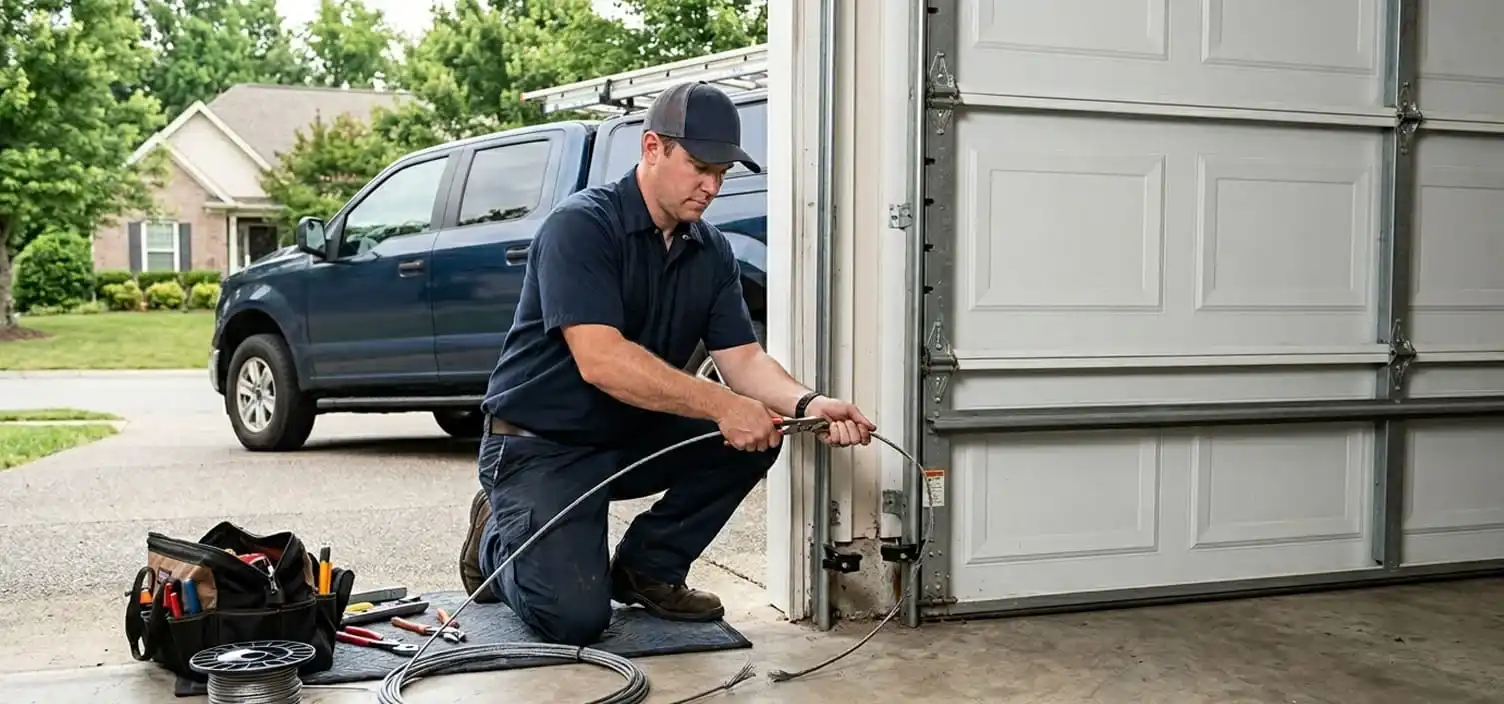 From $100
Cable Replacement
Frayed or snapped lift cables usually show up as a door hanging crooked on one side. We replace them with correctly rated cable matched to your door's weight, starting at $100.
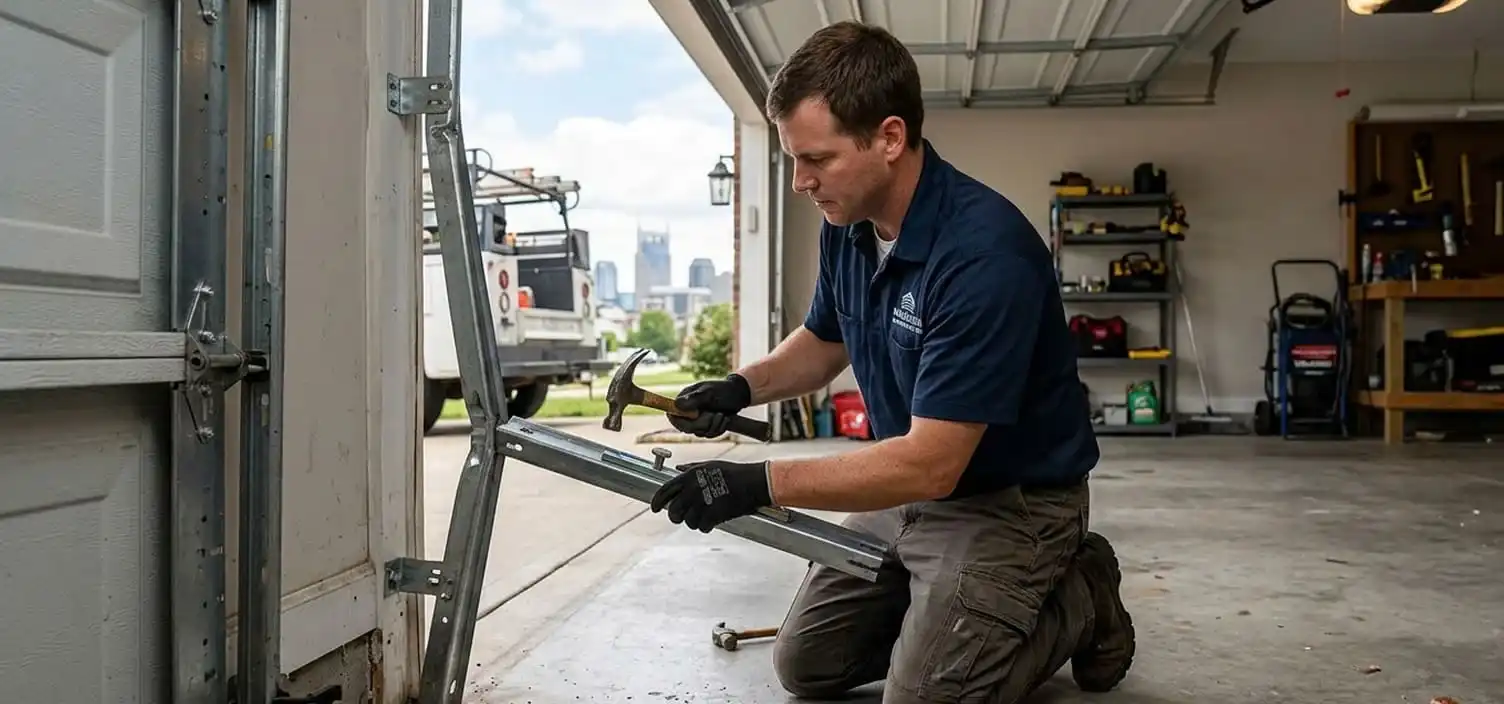 From $125
Track Repair & Realignment
A bent or misaligned track causes grinding, sticking, or a door that jumps its guide rails. We realign or replace the damaged section and confirm smooth travel across the full cycle, starting at $125.
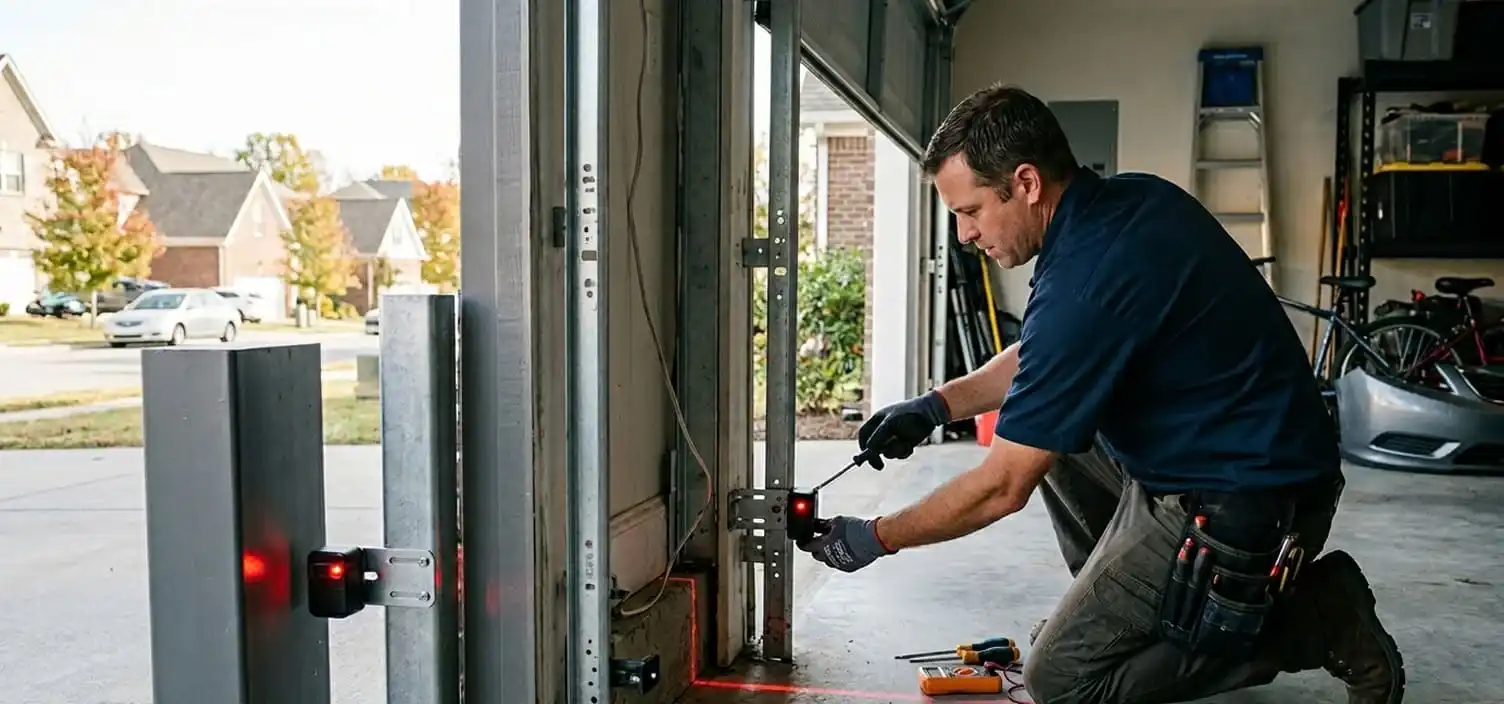 From $85
Safety Sensor Repair
A dirty or misaligned photo-eye sensor is the most common reason a door reverses before closing. We test and recalibrate the full auto-reverse safety system on every visit, starting at $85.
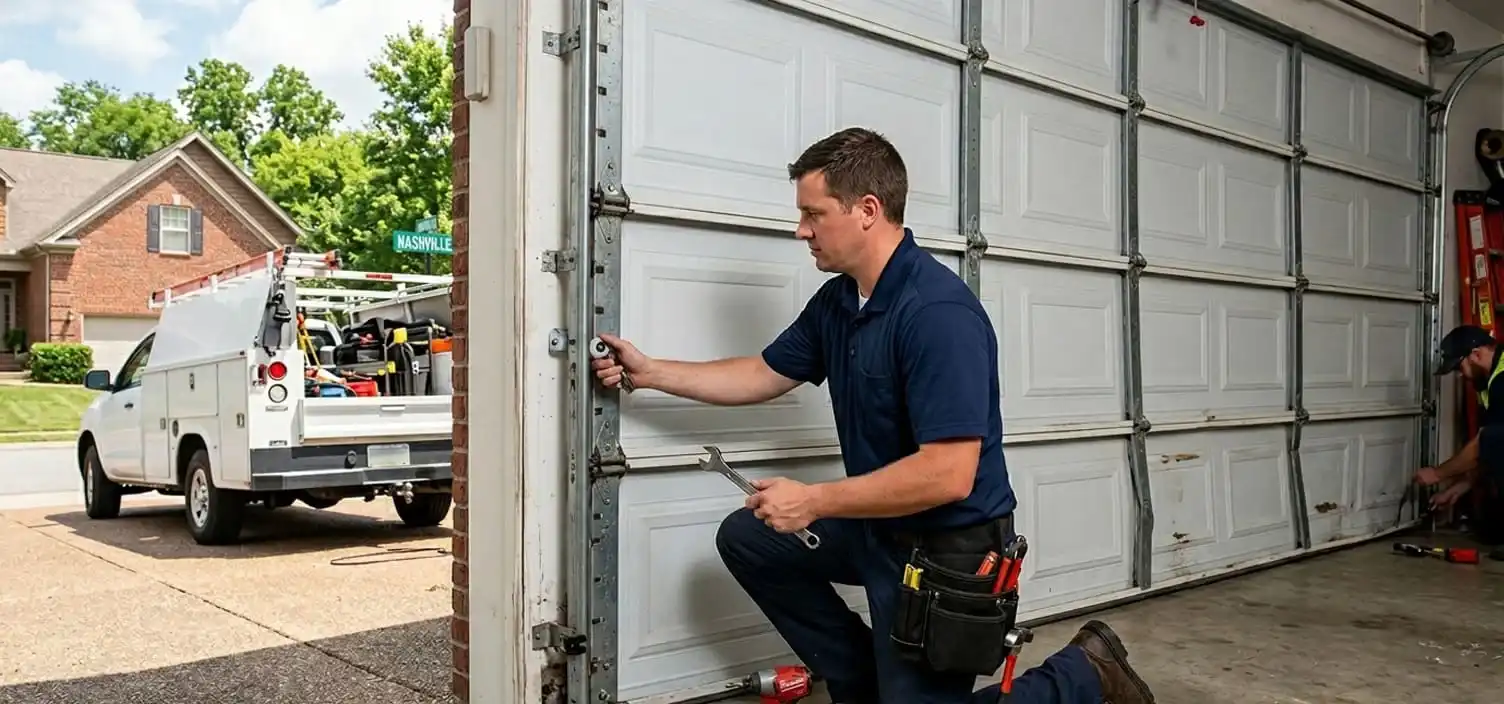 Free Estimate
Roller & Panel Replacement
Worn rollers cause noisy, uneven movement, and damaged panels can usually be matched and replaced individually. Book a free estimate and get pricing based on the actual repair, not a guess.
How Much Does Garage Door Repair Cost in Nashville, TN?
Spring repair: $150 to $350. Opener repair: $100 to $250. Opener installation: $300 to $600. New garage door installation or replacement: $900 to $2,500 or more.
Get your exact price confirmed in writing, on-site, before any work starts. No add-ons after the fact. Call now to book your free estimate.
Call (615) 706-3471 to Book Your Free EstimateSame-day repair: Most calls get scheduled the same day, springs, openers, off-track doors, all handled on one visit whenever the parts are on the truck, which is most of the time. Call (615) 706-3471 now and ask about today's availability.
Why Nashville Homeowners Trust Us
We know that in a city this size, trust is the hardest thing to earn and the easiest thing to fake with a good-looking website. So we don't ask you to just believe us, we put the price in writing before we start and match it on the invoice, every time. Every technician is licensed and insured, and every job includes a workmanship warranty.
What Nashville Customers Say
Garage Door Repair Nashville, TN — Verified by Google
Frequently Asked Questions About Garage Door Repair in Nashville, TN
How do I know your quote won't change once you're here?
We give you a written price after inspecting the door, and that's the number on your invoice.
How fast can you respond in a city as spread out as Nashville?
Most calls receive a same-day response.
Do you offer free estimates in Nashville?
Yes, every estimate is free with no obligation to move forward.
Can you install a new garage door anywhere in Nashville?
Yes, we handle full installations throughout Davidson County, starting at $900.
Do you push replacement even when a repair would work?
No, we diagnose the actual problem and recommend whichever option genuinely makes sense, then give you the price to decide.
Are your technicians licensed and insured?
Yes, every technician is fully licensed and insured on every job.
Is there a warranty on your work?
Yes, every repair and installation includes a workmanship warranty in addition to any applicable manufacturer warranty.
Do you charge just to come diagnose the problem?
No, the inspection and written quote are both free.
Do you offer emergency repair in Nashville?
Yes, for situations that genuinely can't wait for a standard appointment.
Why should I trust a written quote over a phone estimate?
A phone estimate is a guess before anyone's seen your door. A written quote comes after an actual inspection, which is why it's the number we stand behind.
We Also Serve Nearby Areas
In addition to Nashville, we regularly serve: